A 2013 Meme Bear Just Sold for 41,893 XRP — and the Suits Still Say XRPL Has No NFTs
A 2013 XRPL meme wallet’s crown-jewel bear just sold for 41,893 XRP (~$47,500) — the biggest single NFT sale in XRP Ledger history, and a receipt for the ledger the suits ignored.
Fuzzybear #0 — the crown jewel of a collection built on the XRP Ledger’s oldest inside joke — changed hands for roughly $47,500 in XRP. It’s the biggest single NFT sale in XRPL history. And almost nobody outside the ledger noticed. That’s the point.
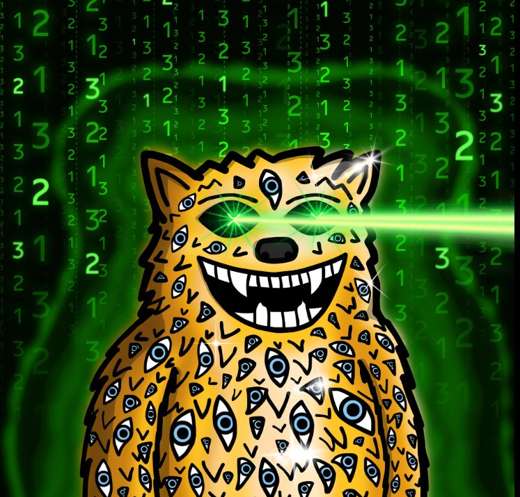
On July 21, 2026, a psychedelic orange-and-black bear with glowing green eyes and a “Golden Eye” trait quietly became the most expensive NFT the XRP Ledger has ever produced. Fuzzybear #0 sold for 41,893 XRP — about $47,500 at the time of the trade.
No press release. No CNBC chyron. No Bloomberg terminal alert. Just an on-chain settlement, a screenshot, and XRPL Twitter losing its mind.
Which is exactly how it always goes on this ledger. The real moves happen where the mainstream isn’t looking.
The number that broke the ceiling
Here’s what makes this more than a flex.
Before #0, “big” XRPL NFT sales lived in the low-to-mid thousands of XRP. Respectable. Quiet. Ignorable if you were a suit looking for reasons to keep calling the ledger a ghost town.
41,893 XRP didn’t nudge that ceiling. It detonated it — multiples above the old benchmarks in a single transaction. Overnight, the conversation shifted from “do XRPL NFTs even trade?” to “which XRPL cultural assets are already blue-chip?”
And it happened while the broader market was flat. No euphoria, no alt-season sugar high. Just conviction capital walking straight past the noise and paying up for the piece it wanted.
Follow the liquidity. It went to the ledger they told you was dead.
Why a “meme bear” is really a 2013 time capsule
Strip the psychedelic paint job and Fuzzybear isn’t a meme. It’s folklore with a wallet address.
Rewind to the beginning. The Ripple genesis wallet went live January 1, 2013. Opencoin — later Ripple — activated its own wallet that February. And shortly after, a wallet named Fuzzybear showed up on the ledger.
Then, on January 1, 2014, that address did something the community has never forgotten. It placed a decentralized exchange order for the ages:
1 XRP for 1 BTC.
Read that again. Not a typo. Not a fat finger. A statement — carved into the ledger a decade before the ETFs, the lawsuits, and the endless “is XRP a security” theater. Somebody looked at Bitcoin, looked at XRP, and priced them the same on-chain. The quiet part, said out loud, in 2014.
You don’t have to think that order was a prophecy to understand why it matters. It’s proof of belief, timestamped and immutable, from the ledger’s earliest days. Try finding that kind of receipt on any other chain.
The modern $FUZZY memecoin and the Fuzzybears NFT collection exist to honor that address. Fixed supply of 321 billion, liquidity fully burned, zero transfer tax — a token that can’t be rug-pulled by design, built as a monument to the ledger’s origin story rather than a cash grab on it.
The collection the tourists slept on
The main Fuzzybears set is 3,210 pieces, each loaded with XRPL in-jokes: “Classic Ripple” fits, “XRP Cap” headwear, plasma auras, a zoo of eye traits. Around it sits a whole universe — Fuzzy Bars, Fuzzycards, Golden Ticket drops — the kind of organic sprawl you only get from a community that actually likes being here.
The receipts back it up: north of 2.3 million XRP in total trading volume across roughly 675 holders. Not mercenary flippers chasing an airdrop. Believers.
In any collection, the #0 carries the crown. Fuzzybear #0 — psychedelic, “Golden Eye,” one of one at the top of the set — was always the piece. When it finally moved, it didn’t just reset the collection’s floor expectations. It reset what a single XRPL NFT is allowed to be worth. The buyer, tied to the well-known XRPL figure RaptorJesus, took a victory lap across the socials, and the whole ledger felt it.
What they’re not telling you about XRPL NFTs
The standard line has always been that XRPL NFTs are an afterthought — that the “real” NFT action is on Ethereum and Solana, and the ledger is just a payments rail with delusions of culture.
Here’s the part that line conveniently skips: XRPL has had native NFT support and sub-cent fees the entire time. No gas-war roulette. No bridging your JPEG through three contracts and a prayer. The infrastructure was never the problem. Attention was.
Fuzzybear #0 is what it looks like when attention finally shows up — and it validates exactly the things the ledger’s community has been saying for years:
- Narrative and lore aren’t fluff — they’re the moat. The projects with a story survive; the ones minted for a quick flip don’t.
- XRPL-native memes can command real capital. Not “someday.” July 21, 2026.
- Assets with genuine ties to the ledger’s own history carry a premium the copy-paste collections will never touch.
Why this matters
Zoom out. A community turned a decade-old, half-forgotten on-chain joke into a cultural franchise — and then the market priced its crown jewel like a blue-chip. That’s not a speculation story. That’s storytelling, scarcity, and conviction compounding on a ledger the establishment spent years pretending didn’t have a pulse.
The bears were never just memes. On the XRP Ledger, they’re becoming serious digital assets — and the same crowd that called XRPL a ghost town is going to spend the next cycle explaining why they missed it.
The order from 2014 said it first: XRP was built to out-run Bitcoin. Twelve years later, its oldest mascot just sold for a small fortune — denominated, of course, in XRP.
Source: on-chain XRPL data and community reporting, July 21, 2026. Terminalcraft is a news and information service. Not financial advice — always do your own research.